





أهمية قياس مستضد البروستات النوعي (PSA) في الكشف المبكر عن سرطان البروستات
التصنيف: صحة
2026-03-09 06:37 م 80
يُعدّ سرطان البروستات من أكثر أنواع السرطان شيوعًا لدى الرجال، خصوصًا بعد سن الخمسين، وهو من الأسباب المهمة للمراضة والوفيات إذا لم يُشخَّص في وقت مبكر. ومن هنا تبرز أهمية الفحوصات الدورية، وعلى رأسها قياس مستضد البروستات النوعي (PSA)، كوسيلة فعالة للمساعدة في الكشف المبكر والمتابعة.
ما هو PSA؟
PSA هو بروتين تُنتجه خلايا غدة البروستات، ويوجد بكميات صغيرة في دم الرجال الأصحاء. ارتفاع مستوى PSA في الدم قد يكون مؤشرًا على وجود خلل في البروستات، مثل:
• التهاب البروستات
• تضخم البروستات الحميد
• أو سرطان البروستات
لذلك، فإن PSA ليس فحصًا تشخيصيًا نهائيًا للسرطان، بل هو أداة إنذارية تستدعي مزيدًا من التقييم عند ارتفاعه.
لماذا يُعتبر قياس PSA مهمًا؟
تكمن أهمية PSA في كونه:
1. يساعد على الكشف المبكر عن سرطان البروستات قبل ظهور الأعراض.
2. يرفع فرص الشفاء، إذ تكون نتائج العلاج أفضل في المراحل المبكرة.
3. يساعد في متابعة المرض بعد العلاج (جراحة، علاج إشعاعي أو هرموني).
4. يساهم في تقييم سرعة تطور المرض عند مقارنته مع القياسات السابقة.
الكشف المبكر وتأثيره على حياة المريض
في المراحل المبكرة، غالبًا لا يُسبب سرطان البروستات أي أعراض واضحة. وقد لا تظهر الأعراض إلا بعد تقدم المرض، مثل:
• صعوبة التبول
• ضعف تدفق البول
• تكرار التبول الليلي
• آلام في العظام في الحالات المتقدمة
قياس PSA بشكل دوري يسمح باكتشاف التغيرات في وقت مبكر، مما يقلل من احتمال الوصول إلى مراحل متقدمة يصعب علاجها.
متى يُنصح بقياس PSA؟
• ابتداءً من سن 50 عامًا عند الرجال الأصحاء.
• ابتداءً من سن 45 عامًا عند وجود عوامل خطورة مثل:
• تاريخ عائلي لسرطان البروستات
• أصول عرقية معروفة بارتفاع الخطورة
• بشكل أبكر في حالات خاصة يحددها الطبيب.
هل ارتفاع PSA يعني وجود سرطان؟
لا. فارتفاع PSA لا يعني بالضرورة وجود سرطان، إذ يمكن أن يرتفع في حالات حميدة. لذلك، عند وجود قيمة مرتفعة، قد يلجأ الطبيب إلى:
• إعادة التحليل
• فحص المستقيم الرقمي
• تصوير البروستات
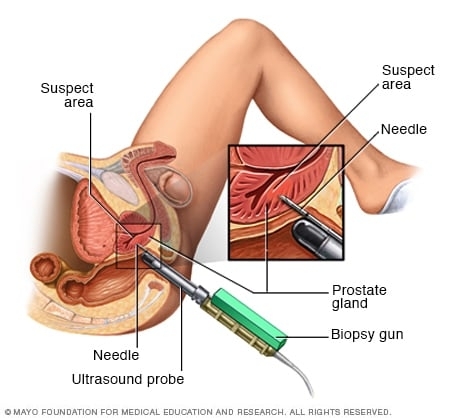
• أو أخذ خزعة عند الضرورة
القرار الطبي يعتمد على القيمة، عمر المريض، سرعة ارتفاع PSA، والأعراض السريرية.
فوائد ومحدوديات فحص PSA
الفوائد:
• بسيط، غير مؤلم
• متوفر وسهل الإجراء
• أداة فعالة للمراقبة والمتابعة
المحدوديات:
• قد يعطي نتائج إيجابية كاذبة
• لا يميّز دائمًا بين السرطان البطيء والسريع النمو
• قد يؤدي إلى فحوصات إضافية غير ضرورية في بعض الحالات
لذلك، يُنصح بأن يتم الفحص ضمن قرار مشترك بين الطبيب والمريض بعد شرح الفوائد والمخاطر.
الخلاصة
يُعتبر قياس PSA حجر الأساس في الوقاية والكشف المبكر عن سرطان البروستات. ورغم أنه ليس فحصًا تشخيصيًا نهائيًا، إلا أنه أداة لا غنى عنها في التقييم الأولي والمتابعة طويلة الأمد. إن التوعية بأهمية هذا الفحص، وإجراؤه في الوقت المناسب، يمكن أن يُنقذ الأرواح ويحسّن جودة حياة الرجال بشكل كبير.
⸻دكتور ماهر إسكندر الحاج
جراحة مسالك بولية
Importance of Measuring Prostate-Specific Antigen (PSA) in the Early Detection of Prostate Cancer
Prostate cancer is one of the most common cancers affecting men, particularly after the age of 50. It represents an important cause of illness and mortality when it is not diagnosed early. For this reason, regular screening examinations are essential, and the measurement of Prostate-Specific Antigen (PSA) is considered one of the most useful tools for early detection and monitoring.
What is PSA?
Prostate-Specific Antigen (PSA) is a protein produced by the cells of the prostate gland. It is normally present in small quantities in the blood of healthy men. An elevated PSA level in the blood may indicate a problem in the prostate, such as:
• Prostatitis (inflammation of the prostate)
• Benign prostatic hyperplasia (BPH)
• Prostate cancer
Therefore, PSA is not a definitive diagnostic test for cancer, but rather a warning indicator that may require further medical evaluation when elevated.
Why is PSA Measurement Important?
PSA testing is important because it:
1. Helps detect prostate cancer at an early stage before symptoms appear.
2. Increases the chances of successful treatment, since outcomes are better in early stages.
3. Helps monitor patients after treatment such as surgery, radiation therapy, or hormonal therapy.
4. Assists in evaluating disease progression by comparing PSA levels over time.
Early Detection and Its Impact on Patients’ Lives
In its early stages, prostate cancer often does not cause noticeable symptoms. Symptoms usually appear only when the disease has progressed. These may include:
• Difficulty urinating
• Weak urine flow
• Frequent urination at night
• Bone pain in advanced stages
Regular PSA testing can detect changes at an early stage, reducing the likelihood of the disease progressing to advanced and more difficult-to-treat stages.
When is PSA Testing Recommended?
PSA testing is generally recommended:
• From the age of 50 for men with average risk.
• From the age of 45 for men with higher risk factors, such as:
• A family history of prostate cancer
• Certain ethnic backgrounds associated with higher risk
In some special situations, testing may begin earlier depending on the physician’s recommendation.
Does a High PSA Level Mean Cancer?
No. An elevated PSA level does not necessarily mean cancer. PSA levels can also rise in benign conditions. When PSA is elevated, the physician may recommend further evaluation such as:
• Repeating the PSA test
• Digital rectal examination (DRE)
• Prostate imaging
• Prostate biopsy if necessary
Medical decisions depend on several factors, including the PSA value, the patient’s age, the rate of PSA increase over time, and clinical symptoms.
Benefits and Limitations of PSA Testing
Benefits
• Simple and minimally invasive blood test
• Widely available and easy to perform
• Useful for monitoring and follow-up of prostate disease
Limitations
• May produce false-positive results
• Cannot always distinguish between slow-growing and aggressive cancers
• May lead to additional investigations that are not always necessary
For this reason, PSA testing should ideally be performed as part of a shared decision between the physician and the patient, after discussing the potential benefits and limitations.
Conclusion
Measurement of Prostate-Specific Antigen (PSA) remains a cornerstone in the prevention and early detection of prostate cancer. Although it is not a definitive diagnostic test, it is an indispensable tool for initial evaluation and long-term monitoring. Increasing awareness about the importance of PSA testing and performing it at the appropriate time can significantly improve men’s health outcomes and may save lives.
Dr Maher Alexandre Hajj
أخبار ذات صلة

مركز الدكتور نزيه البزري - المواساة يطلق عيادة نقالة بالتعاون مع وزارة الصحة وIMC
2026-03-09 04:16 م 55

مواكبة أحدث المستجدات العلمية كان عنوان المحاضرة: سيماجلوتيد مرة واحدة أسبوعياً
2026-02-17 10:14 ص 248

نحو صيام آمن لمرضى الأمراض المزمنة… محاضرة توعوية في مركز الدكتور نزيه البزري – المواساة
2026-02-16 03:31 م 223

تضخّم البروستاتا الحميد (Prostate Hypertrophy)
2026-02-15 02:40 م 155

النائب البزري:إسرائيل «تصحّر» الجهة اللبنانية من الحدود
2026-02-04 09:59 م 414

البروفيسور أحمد غزاوي يواكب أحدث الدراسات في مواجهة مرض السكري
2026-02-04 06:15 ص 216
إعلانات
إعلانات متنوعة
صيدا نت على الفايسبوك
الوكالة الوطنية للاعلام
انقر على الزر أدناه لزيارة موقع وكالة الأنباء الوطنية:
زيارة الموقع الإلكترونيتابعنا


كفى اجتماعات بلا طعمة وجولات تصويرية إعلامية… من ينظّف صيدا؟
2026-03-08 11:32 ص

صور حين تتحول السيارة إلى بيت… والرصيف يصبح وطناً مؤقتاً
2026-03-07 10:57 م

بالفديو اثار القصف في مبنى جمعية المقاصد الخيرية الإسلامية في صيدا
2026-03-07 12:16 م






رمضان في ساحة النجمة… فانوس البلدية بين الإشادة وعتب المتبرعين
2026-02-18 05:57 ص


تحليل المشهد الانتخابي في صيدا بعد خطاب دولة سعد الحريري